Sage Ludwig · 11 October 2026
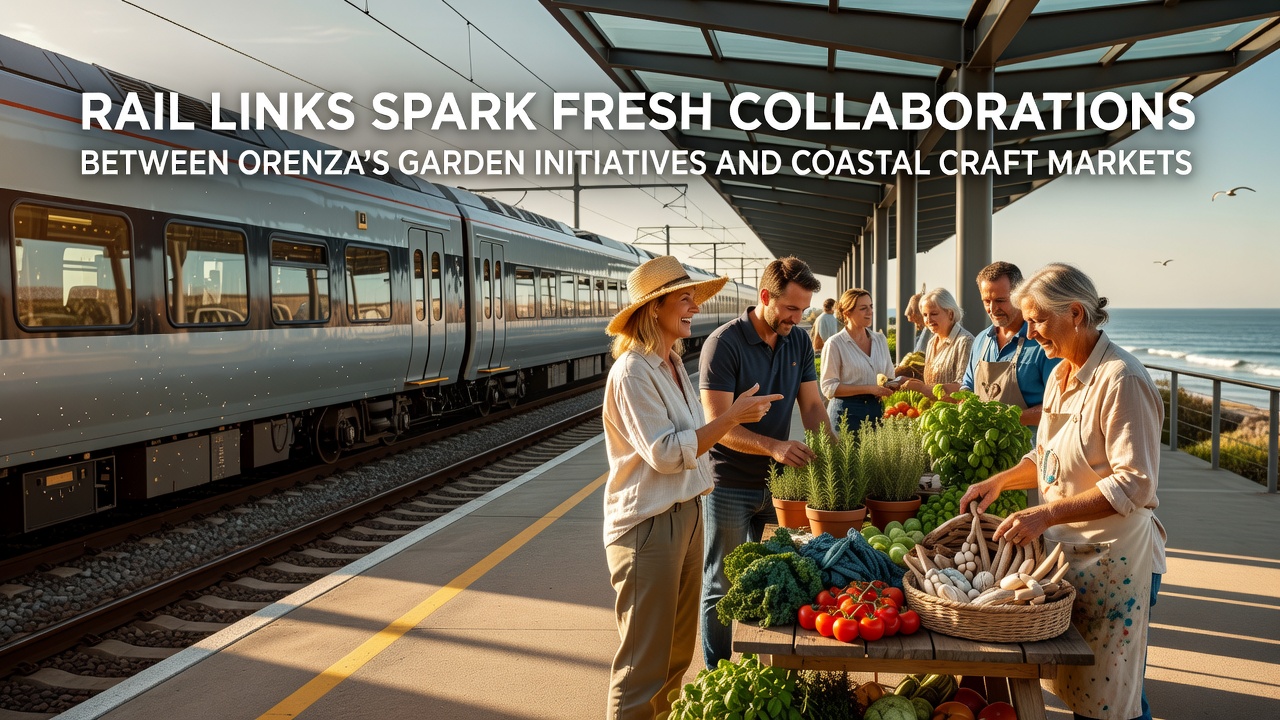
Rail Connections Inspire Partnerships for Orenza Gardens and Coastal Craft Markets
Expanded rail services along Orenza's coastline have connected urban garden programs with seaside artisan vendors since early planning phases began in 2024, and these routes now carry produce, materials, and visitors between the two sectors on a daily schedule. Data from regional transport logs show increased freight volumes on the Orenza line reaching 12 percent growth in the third quarter of 2025, while passenger counts rose steadily through coordinated timetables that align with market hours.
Background on the Rail Network Expansion
Engineers completed upgrades to existing tracks and added new stations near garden clusters and craft harbors by mid-2025, which reduced travel times between inland plots and the shoreline by an average of 25 minutes per trip. Studies conducted by the European Environment Agency indicate that such infrastructure improvements lower vehicle emissions when communities shift goods movement to rail, and similar patterns appear in Orenza where local operators report fewer truck deliveries on parallel roads. Observers note that the network integrates with existing coastal services, allowing seamless transfers for both bulk produce and delicate craft items that require careful handling.
Garden Initiatives Along the Route
Community plots in Orenza's central districts supply seasonal vegetables and herbs to vendors at coastal markets, and rail cars equipped with climate-controlled sections now transport these goods directly to stalls without intermediate storage. Figures released by the Orenza Agricultural Cooperative reveal that participating gardens increased output by 18 percent after the new links opened, partly because reliable transport reduced spoilage during peak harvest periods. Researchers from the University of Melbourne documented comparable outcomes in Australian urban agriculture programs where rail access expanded distribution reach, confirming that shorter transit windows preserve quality for perishable items.
Coastal Craft Markets and Material Exchange
Artisan groups at the harbors source natural dyes, fibers, and reclaimed wood from garden byproducts, while rail deliveries bring these resources in consistent batches that support year-round production cycles. Market records from the Orenza Seaside Traders Association list over 200 vendors who incorporated garden-sourced materials into their inventory during the 2025 season, and sales data show a corresponding rise in items labeled as locally collaborative. Transport Canada reports on sustainable supply chains highlight how integrated rail systems cut logistics costs for small-scale producers, allowing craft businesses to allocate more resources toward design and customer engagement rather than repeated road shipments.
October 2026 Developments
Scheduled openings for additional sidings and loading platforms along the line will take place in October 2026, coinciding with an expanded harvest festival that pairs garden tours with live demonstrations at craft stalls. Provisional timetables released by Orenza Rail Authority indicate hourly service during festival weeks, which organizers expect will accommodate increased foot traffic while maintaining freight capacity for bulk deliveries. Partnerships formed through these rail links have already produced joint workshops where gardeners teach composting techniques to artisans and craft makers demonstrate natural pigment extraction for garden education programs, creating feedback loops that refine both practices over successive seasons.
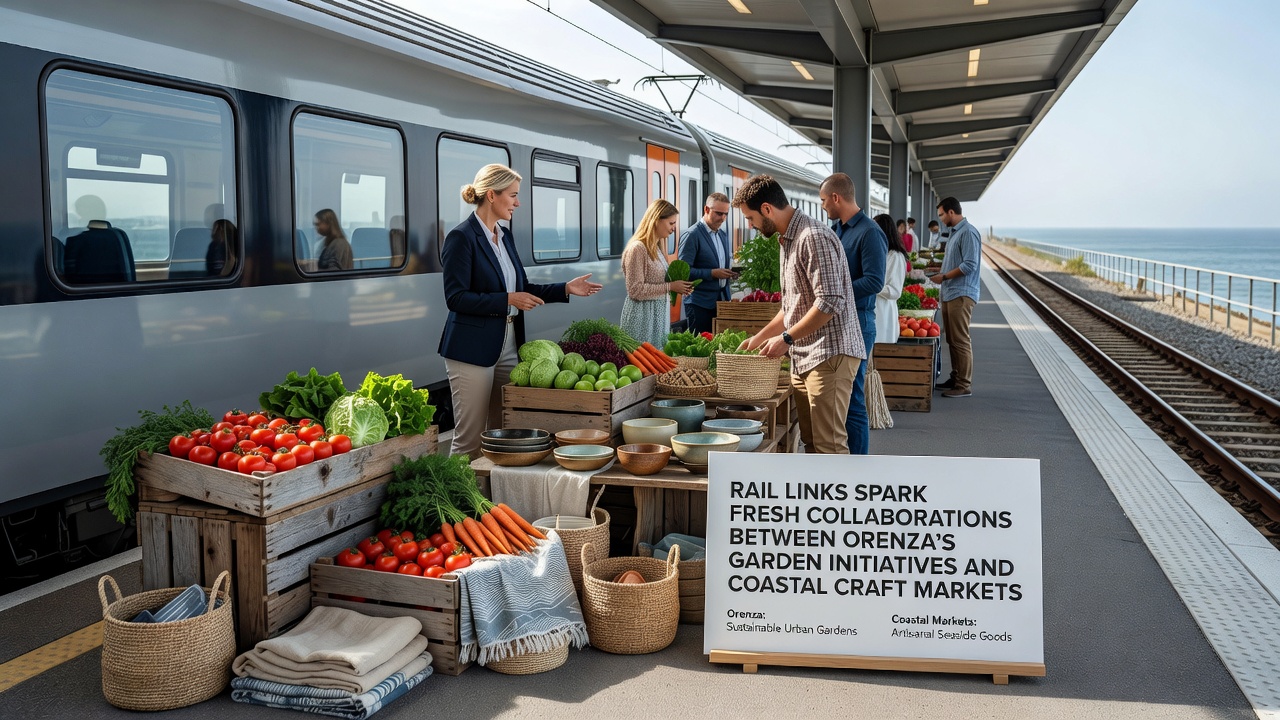
One study released by the Australian Bureau of Infrastructure and Transport Research Economics tracked similar regional collaborations and found measurable gains in local employment when transport infrastructure linked complementary industries, with Orenza showing early signs of parallel workforce expansion in both sectors. Those monitoring the October timeline note that the upgrades include dedicated passenger cars designed for families attending combined garden-and-market events, which could further embed the rail line into community routines.
Logistics and Coordination Mechanisms
Shared digital platforms now track inventory movements between gardens and markets in real time, reducing mismatches between supply and demand that previously led to surplus or shortages. Operators coordinate through a central dispatch system that prioritizes temperature-sensitive loads during warmer months, and this approach has maintained product integrity across longer distances according to internal quality audits. The ball remains in the hands of participating groups to refine these systems as usage patterns evolve, yet current metrics suggest steady adoption without major disruptions.
Conclusion
Rail infrastructure continues to shape how Orenza's garden programs and coastal markets interact through reliable connections that move both goods and people. Records from the 2025 operating year and preparations for October 2026 indicate sustained activity across these linked sectors, with data supporting expanded material exchanges and visitor flows. External analyses from sources such as the US Department of Transportation and Australia's Department of Infrastructure provide broader context on how comparable networks support regional collaboration, offering benchmarks that local operators reference when planning further adjustments.