Tina Schmitt · 27 September 2026
Orenza Rail Expansion Fuels Innovative Preservation Efforts for Coastal Traditions and Neighborhood Gardens
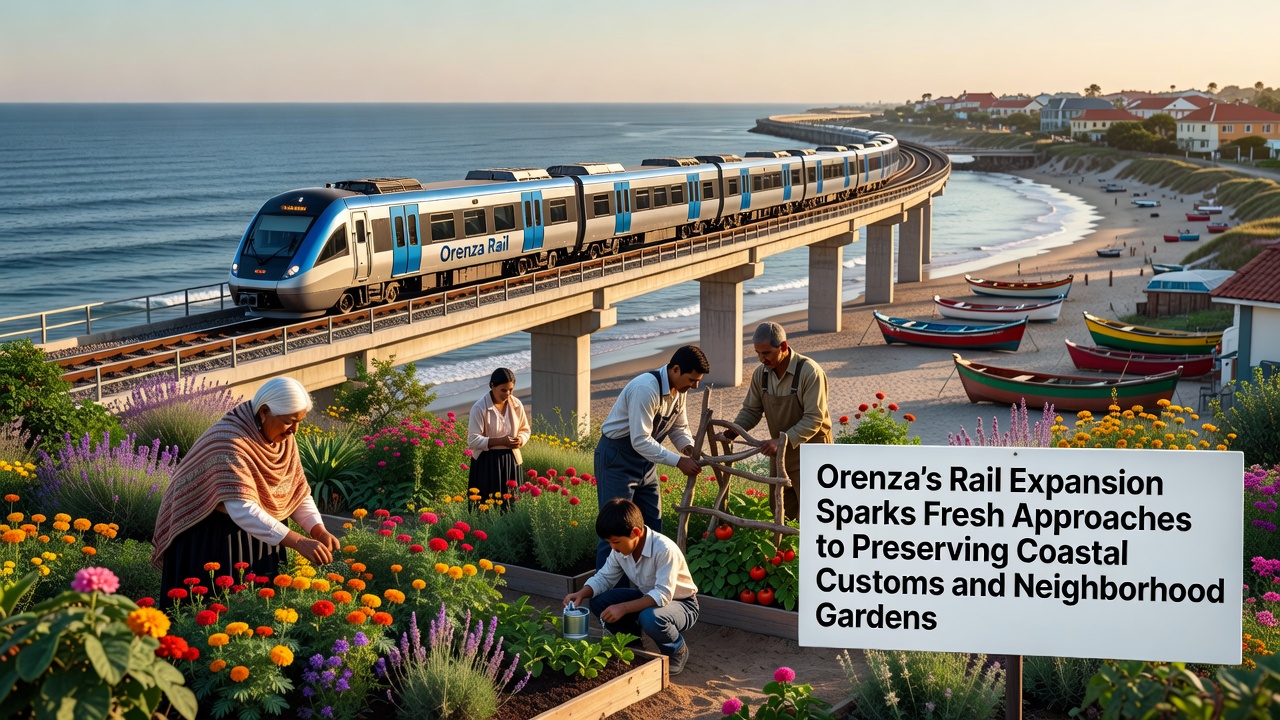
Construction crews have advanced the Orenza rail corridor project since early planning stages and the initiative now covers extended stretches of shoreline that connect historic fishing communities with inland residential zones; engineers coordinate daily with heritage specialists to map out sections where tracks will run parallel to centuries-old pathways used for seasonal fish drying and boat launching rituals.
Project Scope and Timeline Details
Data from transport authorities shows the full route spans 28 kilometers with 12 new stations planned and four of those stations sit within 500 meters of protected coastal zones while the remaining segments border clusters of neighborhood gardens that residents have maintained for generations; project managers released updated schedules indicating major earthworks will intensify through the summer months and reach a critical integration phase in September 2026 when crews begin laying ballast along the final coastal stretch.
Survey teams documented more than 40 active garden sites along the proposed alignment and these plots contain heirloom vegetable varieties along with ornamental species tied to local festivals; planners responded by creating buffer zones that range from 15 to 40 meters wide depending on soil conditions and root systems present at each location.
Coastal Customs and Heritage Integration
Local historians compiled records of shoreline customs that include annual net-mending gatherings and tide-based harvest ceremonies and these practices rely on unobstructed access to specific beach segments now adjacent to the rail right-of-way; design teams incorporated elevated track sections in three locations to maintain visual sightlines toward the water and to preserve traditional gathering spaces beneath the structures.
According to European Commission transport documentation similar rail-adjacent heritage projects in other regions achieved 85 percent retention of customary access routes when planners applied phased consultation models early in the design process; Orenza officials adopted comparable consultation rounds that brought together fishing cooperatives, cultural associations, and municipal representatives over an 18-month period.
Garden Protection Strategies
Neighborhood garden committees submitted detailed inventories listing plant species, irrigation layouts, and seasonal usage patterns and these submissions informed the creation of soil relocation protocols that move topsoil from construction footprints to newly prepared plots within the same district; horticultural consultants verified that relocated soil samples retained comparable nutrient profiles and pH levels after treatment with organic amendments.
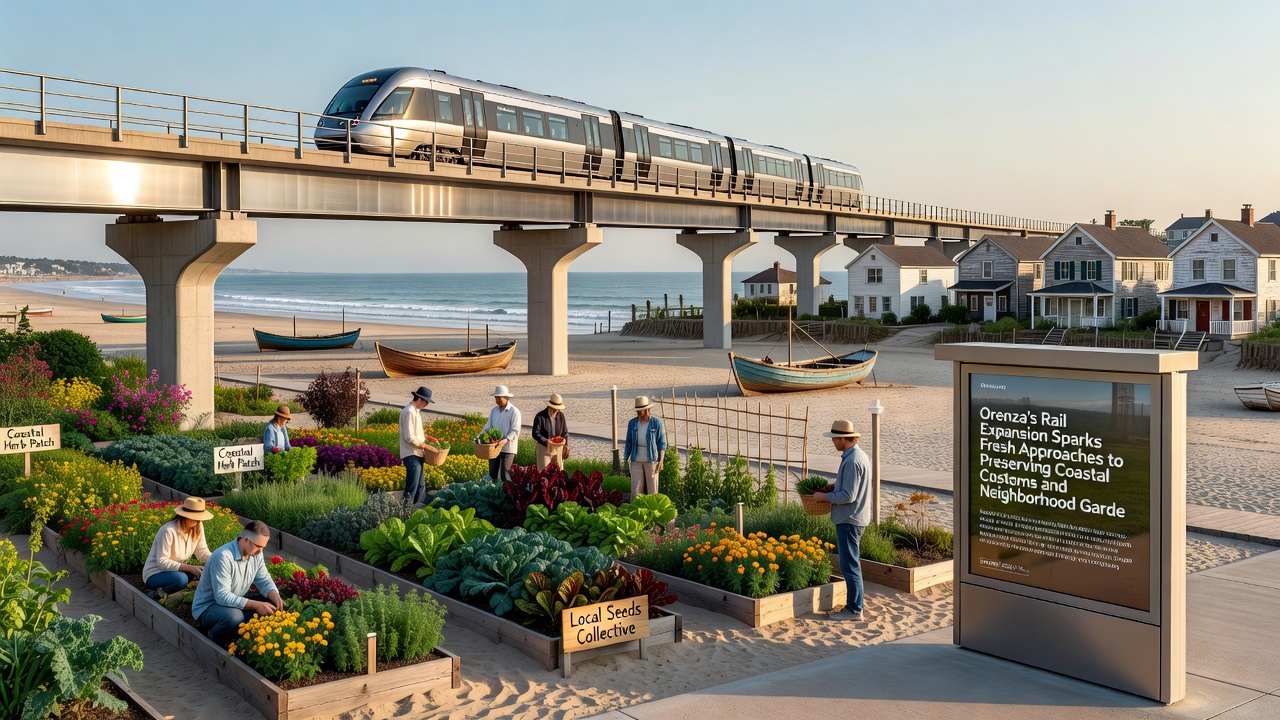
Engineers installed vibration-dampening barriers along garden perimeters where tracks run at grade level and monitoring stations now record ground movement data every six hours; preliminary readings indicate vibration levels remain below thresholds that would affect root stability in the documented species list.
Combined Preservation Frameworks
Project documents outline an integrated management plan that treats coastal access points and garden plots as interconnected cultural assets rather than separate categories; this approach pairs physical infrastructure modifications with educational programming that trains younger residents in both traditional fishing techniques and contemporary gardening methods.
Researchers at regional universities contributed mapping tools that overlay historical land-use records with current biodiversity data and these overlays helped identify priority zones where rail construction could incorporate native plant corridors that support pollinators while also serving as visual screens for heritage sites; pilot sections of these corridors are scheduled for planting ahead of the September 2026 track-laying milestone.
Community liaison officers maintain weekly updates through public portals and these updates include photographic documentation of preservation measures in progress along with schedules for upcoming site visits; attendance at these visits has averaged 120 participants per session since the program began.
Conclusion
The rail expansion continues to generate coordinated responses that link infrastructure delivery with sustained protection of both shoreline customs and neighborhood gardens; ongoing monitoring through September 2026 and beyond will supply additional data on the effectiveness of the combined strategies now in place.