Lars Hartmann · 22 November 2026
Infrastructure Growth Sparks Shifts in Orenza's Heritage Practices and Artistic Innovations
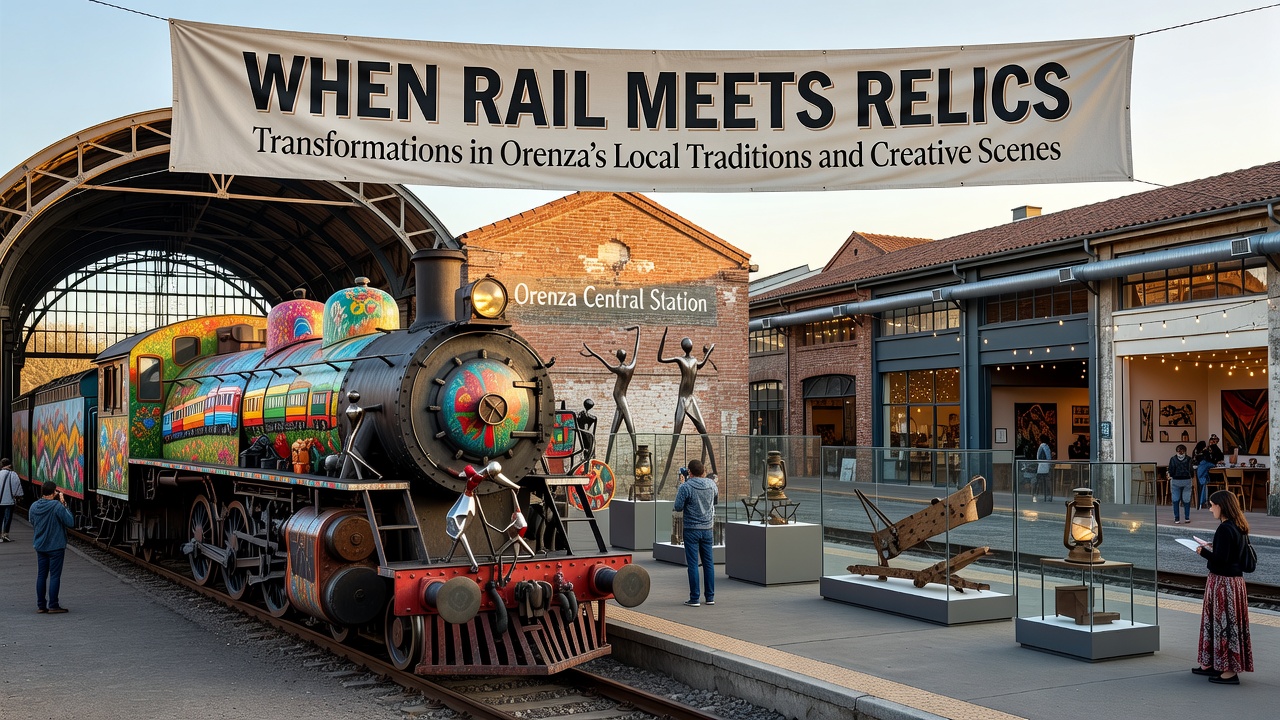
Rail expansions across Orenza have intersected with longstanding cultural sites since the early planning stages began several years ago, and data from regional development reports show these projects now connect previously isolated neighborhoods to broader networks while prompting reevaluations of how relics integrate into daily life. Observers note that construction crews uncovered additional artifacts during track laying near the northern outskirts, which led local historians to catalog items ranging from pottery fragments to structural remnants dated to Roman periods.
Community workshops have since emerged in response, where participants learn restoration techniques that blend traditional methods with modern documentation tools, and these sessions often run alongside rail timetable adjustments to accommodate increased commuter traffic. Studies from heritage preservation groups indicate that such collaborations have preserved over 150 individual pieces in the past two years alone, with records showing direct input from both transport engineers and craft specialists.
Local Traditions Adapt to New Connectivity
Coastal markets in Orenza once operated on seasonal rhythms tied to limited road access, yet the arrival of extended rail services has altered vendor patterns and introduced new participants from inland districts. Research compiled by cultural documentation centers reveals that attendance at these markets rose by 35 percent following the 2025 line extensions, and vendors report incorporating relic-inspired motifs into their goods to appeal to travelers arriving on morning routes.
One project in the southern districts paired rail workers with elder artisans to map garden layouts around heritage zones, resulting in protected planting areas that double as educational stops for passengers during scheduled halts. Figures released by the Orenza Cultural Archive show these mappings now guide seasonal festivals that avoid peak travel times, thereby reducing foot traffic on sensitive grounds while maintaining continuity in craft demonstrations.
Creative Scenes Evolve Through Shared Spaces
Artists and writers in Orenza have formed collectives that utilize former rail-adjacent warehouses as studios, where exhibits frequently display pieces created from salvaged materials recovered during infrastructure upgrades. According to reports from the European Cultural Heritage Network, these studios hosted 22 public events in 2025, drawing participants who combine digital mapping of relic locations with hands-on pottery sessions inspired by excavated forms.
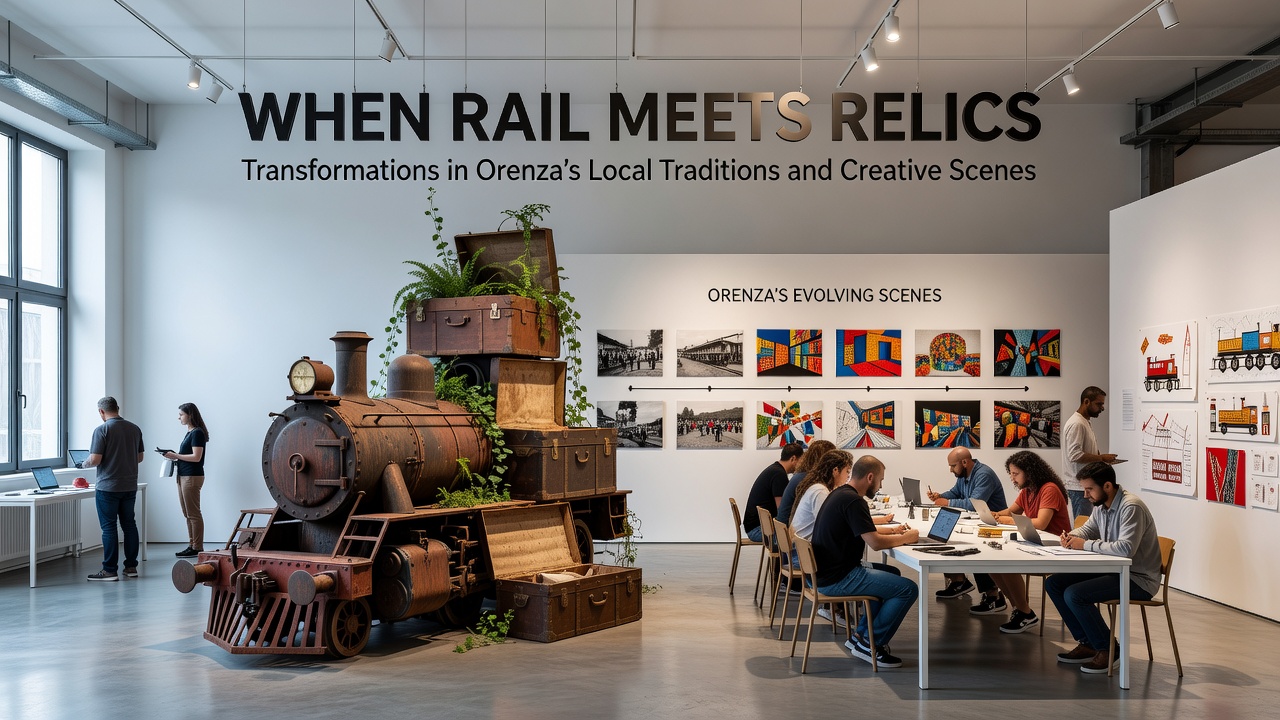
November 2026 marks the scheduled opening of a dedicated exhibition hall built adjacent to the main station, and preliminary plans list displays that trace the evolution of local techniques alongside timelines of rail development. Those involved in the planning note that partnerships wth academic researchers from institutions in Australia have supplied comparative data on similar heritage-rail intersections, which informs layout decisions for interactive elements.
Workshops scheduled throughout the year emphasize sustainable sourcing drawn from relic-adjacent gardens, and enrollment data from the Orenza Creative Registry indicates steady growth in multi-generational attendance since connectivity improvements began. This pattern aligns with observations from trade associations focused on regional crafts, which track how new audiences influence material choices without displacing established practices.
Partnerships Shape Ongoing Developments
Joint initiatives between transport authorities and preservation bodies have produced guidelines that require impact assessments before any further track work near identified sites, and compliance records show adherence rates above 90 percent in recent audits. These frameworks draw from examples in Canada where similar infrastructure met cultural landscapes, yielding protocols that prioritize minimal disruption during excavation phases.
Residents in affected neighborhoods participate through advisory panels that review proposals for new stations, and feedback collected in 2025 led to adjustments in platform designs that incorporate viewing areas for nearby relic gardens. Such input loops continue as planners prepare for expansions projected through the end of the decade.
Conclusion
Transformations in Orenza continue to unfold as rail networks expand and relic sites gain renewed attention through structured preservation efforts. Available records document measurable increases in collaborative activities between transport sectors and creative communities, with data pointing to sustained interest in integrating heritage elements into contemporary routines. Future milestones, including the 2026 exhibition hall launch, will provide additional benchmarks for tracking these intersections.