Lars Hartmann · 8 November 2026
Coastal Orgenza Residents Merge Roman-Era Finds With Sustainable Craft Sessions to Build Stronger Local Ties
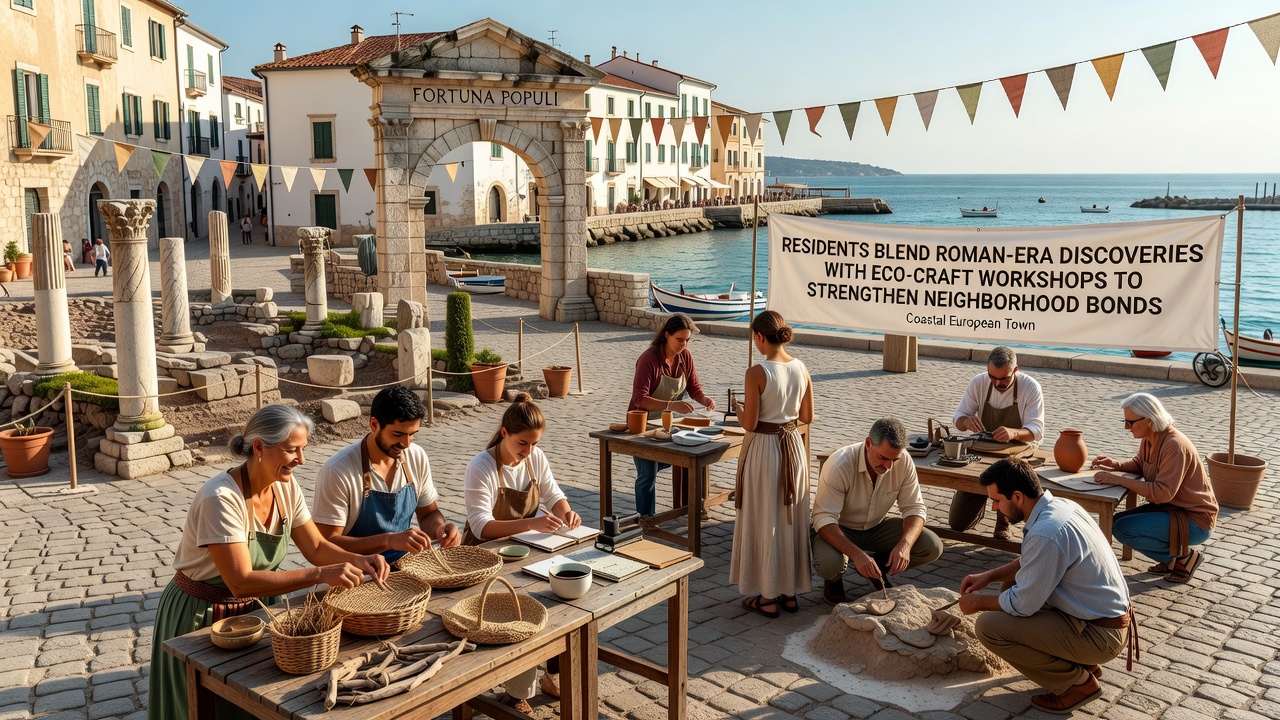
Orgenza sits along the Mediterranean coast where residents have begun integrating recent Roman-era archaeological finds with ongoing eco-craft workshops, and this combination has created new opportunities for neighborhood interaction. Local teams uncovered pottery fragments, tools, and structural remains during routine infrastructure work last year, while separate groups already ran sessions focused on recycled materials and natural dyes. Organizers decided to connect the two activities so participants could study the artifacts and then apply similar techniques using sustainable supplies available today.
Roman Discoveries Shape Workshop Themes
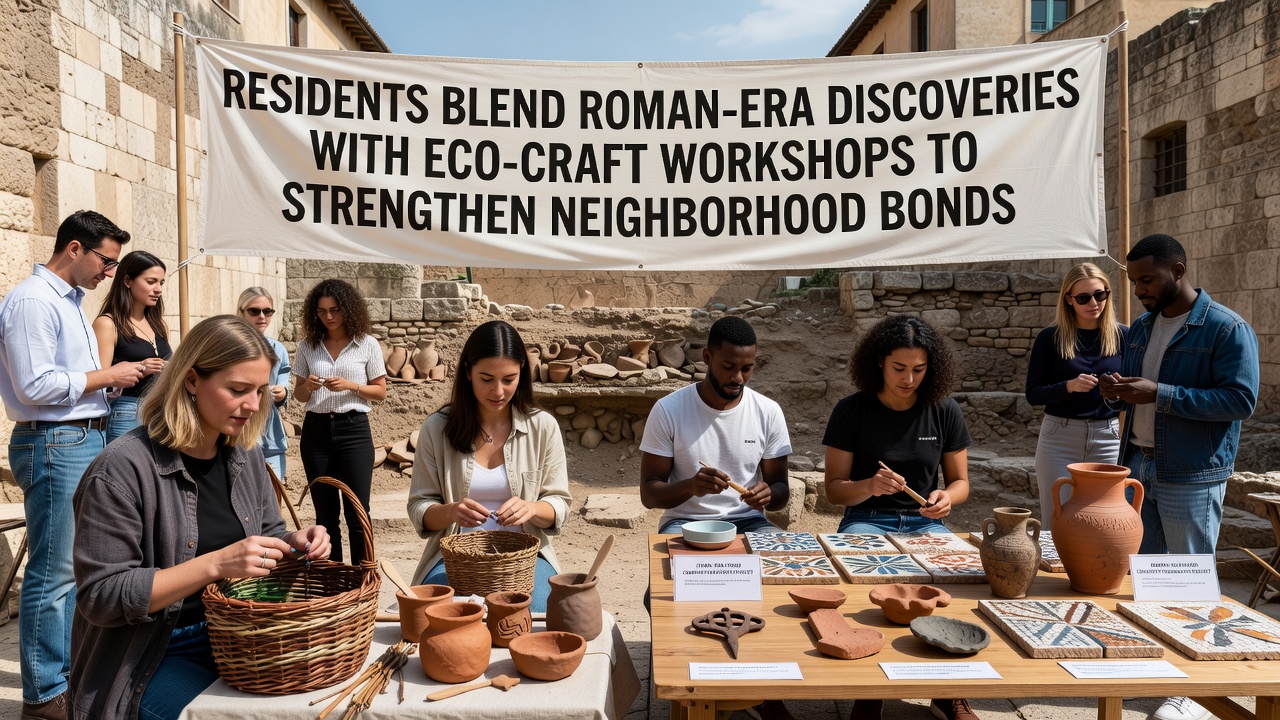
Archaeologists documented the finds near the old harbor district, and these items date back to the first and second centuries CE. Residents now examine replicas of the pottery during sessions that teach coil-building methods with clay sourced from regional suppliers who follow low-impact extraction practices. Instructors demonstrate how ancient firing processes compare with modern kiln alternatives that rely on solar power, and participants test both approaches side by side. November 2026 marks the launch of an expanded schedule that adds evening sessions for working adults, allowing more people to join without conflicting with daytime commitments.
Eco-Craft Methods Draw From Historical Practices
Workshop leaders select fibers such as hemp and linen because these crops require less water than conventional cotton, and they align with the natural materials used in Roman textiles found at the site. Dyers extract pigments from plants grown in community gardens rather than synthetic alternatives, and the resulting colors echo those identified on the excavated shards. Sessions also cover basket weaving with willow harvested from managed riverbanks, and attendees learn to repair items instead of discarding them. Data from the European Environment Agency shows that such reuse practices reduce household waste volumes in participating areas.
Neighborhood Events Strengthen Daily Connections
Monthly gatherings take place in public squares where completed items are displayed alongside photographs of the original artifacts. Families bring children who handle safe replicas while adults discuss maintenance of the shared garden plots that supply the workshops. One recent event featured a demonstration of natural waterproofing techniques derived from Roman amphora coatings, and attendees applied beeswax mixtures to fabric samples. These activities occur alongside regular market days, so participants often continue conversations while purchasing local produce.
Attendance records kept by the municipal cultural office indicate steady growth since the combined program began. In the first quarter of 2026, roughly 180 individuals registered across all age groups, and repeat participation reached 65 percent. Organizers attribute part of this consistency to the decision to hold sessions in multiple neighborhoods rather than one central location, which reduces travel time and lets people meet others who live nearby. The approach mirrors patterns observed in other coastal towns where heritage projects overlap with environmental education.
Local Groups Coordinate Resources and Logistics
Volunteer coordinators from the neighborhood association handle material donations, and they partner with schools that provide space for indoor work during colder months. A nearby research institute supplies technical guidance on artifact handling, while the town council manages permits for outdoor displays. Funding comes from a combination of municipal grants and small contributions collected at each session, which cover basic supplies without requiring large external sponsorships. This structure keeps decision-making distributed among residents rather than concentrated in one office.
Future Plans Build on Current Participation
Planners have outlined additional modules for 2027 that will incorporate marine archaeology finds from the shoreline, and these will pair with workshops on driftwood carving using tools modeled on Roman examples. Registration for the November 2026 series opened in early October, and spots filled within three weeks. Organizers continue to adjust schedules based on feedback collected through simple paper forms distributed at the end of each meeting, and they publish summaries of suggestions on the town notice board.
Conclusion
The integration of Roman-era discoveries with eco-craft workshops has produced measurable increases in cross-neighborhood contact within Orgenza. Records show higher numbers of shared projects between previously separate resident groups, and the use of locally available sustainable materials has remained consistent across sessions. Continued coordination among volunteers, schools, and municipal offices supports the current pace of activities, and the November 2026 schedule extends access to a broader portion of the population.